§ Introduction
Buer is one of the most "scholarly" figures in early modern demon catalogues: a spirit framed less as a destroyer and more as a teacher of ethics, nature, and medicine. In the grimoire tradition, he sits in that uncanny crossroads where Renaissance learning (logic, natural philosophy, herb-lore) gets reimagined as the domain of infernal intelligences.
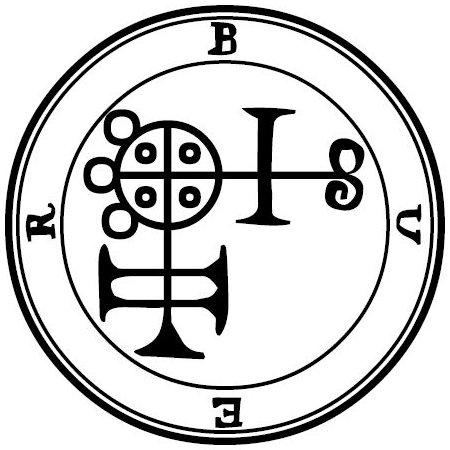
§ Buer's Sigil as Cultural Artifact (Non-Instructional)
In the grimoire tradition, seals function as identifiers—visual signatures tied to a spirit's name inside a manuscript catalog. Today they're often studied as historical graphics, occult art motifs, or symbolic design elements. This page presents Buer's seal as historical/symbolic reference only, without claims of efficacy.
§ Rank and Authority
Rank: Great President
Legions: 50
In demonological catalogs, ranks reflect spiritual bureaucracy—early modern writers explaining invisible forces using the language of courts and command.
§ Appearance (Traditional Description)
Older summaries often emphasize Buer's function more than a single fixed visual form. In later demonological art and retellings, he becomes a symbol of medicine as mystery: remedies, poisons, diagnosis, and the thin line between cure and harm.
§ Powers and Attributions (Historical Claims)
From the public-domain catalog tradition, Buer is credited with:
- Teaching moral philosophy (how to live) and natural philosophy (how nature works)
- Teaching logic (structured thinking)
- Explaining the properties/uses of herbs
- Healing human diseases
- Providing "good familiars" (in-period language for assisting spirits)
Symbolic reading (modern): competence, diagnosis, disciplined reasoning, and the mindset of "measure twice, cut once."
§ Practical Use as Cultural Context (Non-Instructional)
Buer sits in that uncanny crossroads where Renaissance learning (logic, natural philosophy, herb-lore) gets reimagined as the domain of infernal intelligences. He represents competence under pressure—a spirit tied to diagnosis, remedies, and disciplined reasoning. Modern non-ritual uses: study plans, medical-history research, herbalism-as-cultural-history.
§ Frequently Asked Questions About Buer (Ars Goetia)
How do you pronounce Buer?
Common modern pronunciations include "BOO-er" or "BYOO-er." Manuscripts don't standardize pronunciation.
Is Buer a healer?
The grimoire tradition attributes healing diseases to Buer, but this is a historical claim within a grimoire framework—not medical fact or a promise.
What does Buer teach?
Philosophy (moral and natural), logic, and the virtues of herbs—essentially the curriculum of Renaissance education reframed as spirit knowledge.
Does this page provide ritual instructions?
No. This is a historical/symbolic summary and does not claim supernatural efficacy.
§ Short Sources (Pre-1900)
- Johann Weyer — Pseudomonarchia Daemonum (1577)
- Reginald Scot — The Discoverie of Witchcraft (1584)
- Lemegeton Clavicula Salomonis — Ars Goetia (17th-century manuscript tradition; pre-1900 transmission)
- Jacques Collin de Plancy — Dictionnaire Infernal (1818; illustrated ed. 1863)
This article is a historical summary of public-domain grimoire material. It does not provide ritual instructions or claim supernatural efficacy.
Quick Reference
Number:
10th Spirit
Rank:
Great President
Legions:
50
Appearance:
Symbol of medicine and mystery
Historical Powers:
Teaches philosophy and logic, herb virtues, addresses ailments (traditional claim), provides familiars