§ Introduction
Beleth is one of the Goetia's most theatrical kings: trumpets, music, pageantry, intimidation—and then, underneath the spectacle, an assignment that's bluntly about obsessive love. He's a perfect example of how grimoires mix courtly symbolism with fear-driven moral storytelling.
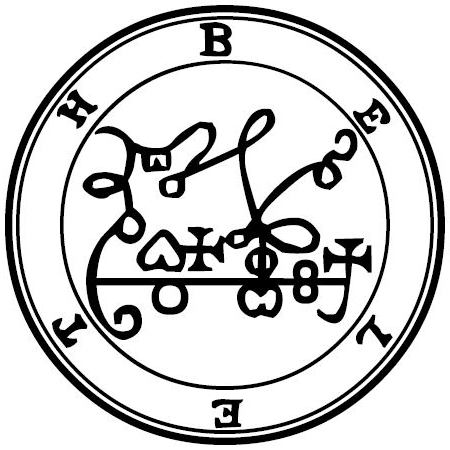
§ Beleth's Sigil as Cultural Artifact (Non-Instructional)
In the grimoire tradition, seals function as identifiers—visual signatures tied to a spirit's name inside a manuscript catalog. Today they're often studied as historical graphics, occult art motifs, or symbolic design elements. This page presents Beleth's seal as historical/symbolic reference only, without claims of efficacy.
§ Rank and Authority
Rank: Great King
Legions: 85
In demonological catalogs, ranks reflect spiritual bureaucracy—early modern writers explaining invisible forces using the language of courts and command. Beleth's high legion count reflects his "king" status.
§ Appearance (Traditional Description)
Key imagery: pale horse + trumpets/music + a frightening "first impression."
Symbolically, Beleth is love as possession—romance rendered as a state of siege, complete with marching band. The "test of courage" motif suggests that engaging with powerful emotions requires facing fear.
§ Powers and Attributions (Historical Claims)
Classical text tradition attributes to Beleth:
- Associated with compelling intense love/infatuation
- "Tests" the conjurer with a fierce appearance (a narrative about fear/control)
- Commands 85 legions
Symbolic reading (modern): love can be sovereign, irrational, and humiliatingly performative; a moral warning about obsession.
§ Practical Use as Cultural Context (Non-Instructional)
Beleth is a moral warning: love can be sovereign, irrational, and humiliatingly performative. Modern non-ritual framing: a strong lens for analyzing limerence, coercive romance tropes, love-as-status, and how spectacle can override judgment.
§ Frequently Asked Questions About Beleth (Ars Goetia)
How do you pronounce Beleth?
Common modern pronunciations include "BEH-leth" or "bee-LETH." Manuscripts don't standardize pronunciation.
Is Beleth the same as Bileth?
Yes—Bileth is an alternate spelling found in various manuscript traditions. The variations reflect normal transmission drift.
What does Beleth represent?
In the grimoire tradition, Beleth represents obsessive love, spectacle, and the intimidating power of intense attraction—a cautionary emblem about romance as possession.
Does this page provide ritual instructions?
No. This is a historical/symbolic summary and does not claim supernatural efficacy.
§ Short Sources (Pre-1900)
- Johann Weyer — Pseudomonarchia Daemonum (1577)
- Reginald Scot — The Discoverie of Witchcraft (1584)
- Lemegeton Clavicula Salomonis — Ars Goetia (17th-century manuscript tradition; pre-1900 transmission)
- Jacques Collin de Plancy — Dictionnaire Infernal (1818; illustrated ed. 1863)
This article is a historical summary of public-domain grimoire material. It does not provide ritual instructions or claim supernatural efficacy.
Quick Reference
Number:
13th Spirit
Rank:
Great King
Legions:
85
Appearance:
Pale horse, trumpets, fierce first impression
Historical Powers:
Compels intense love/infatuation, tests courage with fierce appearance