Chrysoprase Meaning & Traditional Associations
Crystal properties are based on traditional metaphysical beliefs. For entertainment and personal reflection only. Not a substitute for professional advice.
Traditionally known as the stone of hope, joy, and heart-centered optimism.
What Is Chrysoprase?
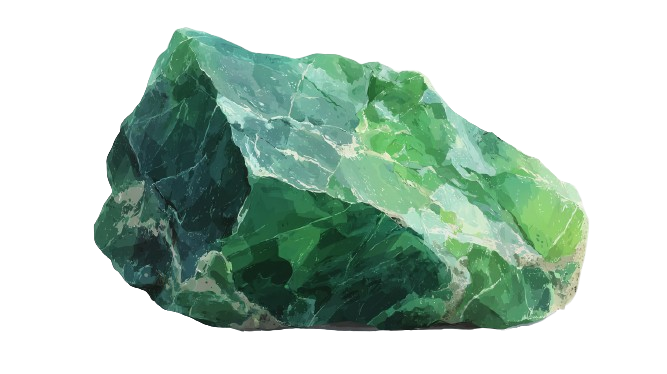
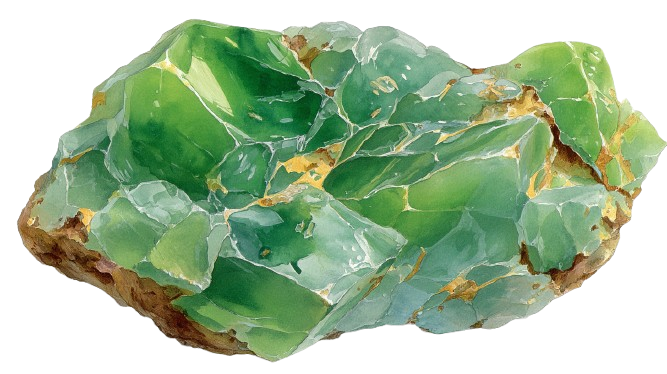
Chrysoprase is a bright apple-green variety of chalcedony colored by traces of nickel. Its vivid, refreshing green is unique among gemstones , brighter and more joyful than emerald.
Alexander the Great reportedly wore chrysoprase in his girdle during battle for victory. In the Middle Ages, it was believed to make its wearer invisible. It was a favorite stone of Frederick the Great of Prussia.
Today chrysoprase is valued in crystal traditions for its uplifting, heart-opening energy. Many people find it brings a fresh, spring-like optimism and renewed sense of joy.
Chrysoprase Traditional Meanings & Uses
Joyful Heart
Traditionally believed to bring a sense of youthful joy, renewed hope, and optimistic outlook on life.
Fresh Vitality
In crystal folklore, associated with a sense of fresh, spring-like vitality and renewed well-being.
Heart Renewal
Believed to renew the spiritual heart, promote forgiveness, and open doors to new spiritual growth.
Heart & Sacral
Traditionally said to open the heart for joy and the sacral for creative renewal.
Optimistic Shield
Believed to shield against cynicism, pessimism, and emotional heaviness.
Renewed Love
Said to bring fresh energy to relationships, promote forgiveness, and attract new love.
These descriptions reflect traditional crystal lore and personal spiritual practices, not scientific claims.
Everything People Ask About Chrysoprase
In crystal traditions, chrysoprase is valued for joy, hope, heart support, forgiveness, and renewed optimism.
Chrysoprase is traditionally associated with the Heart and Sacral chakras.
Anyone seeking joy, renewal, or heart support may enjoy chrysoprase. Associated with Gemini, Cancer, and Libra.
Yes, chrysoprase is safe in water with a hardness of 6.5-7.
Cleanse with running water, moonlight, sage, or selenite. Avoid prolonged sunlight which may fade its color.
In spiritual traditions, chrysoprase is used for heart renewal, forgiveness practices, and connecting to joyful spiritual energy.
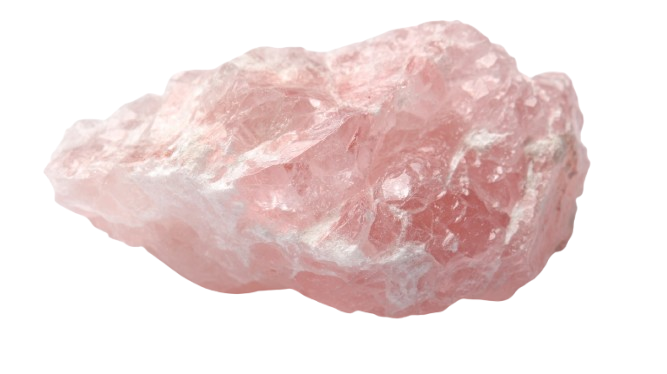
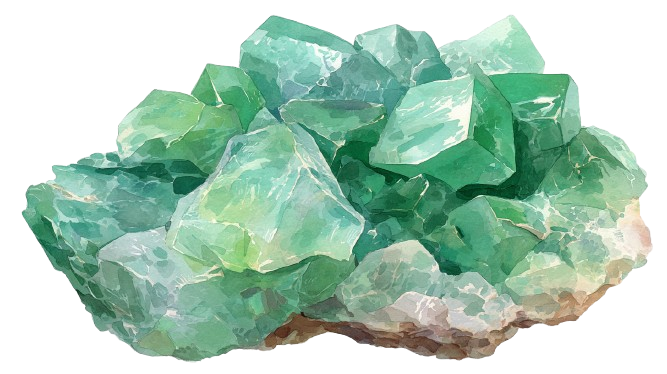
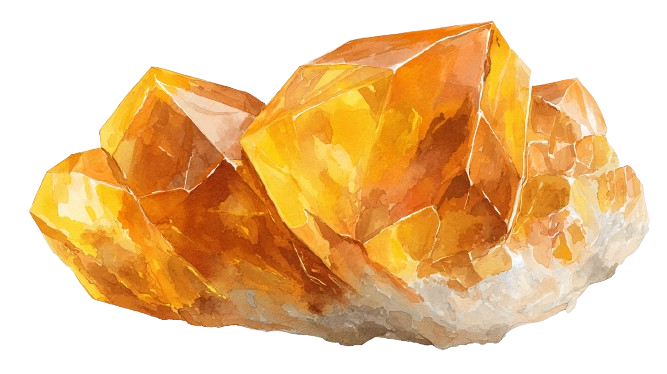
Chrysoprase pairs with rose quartz for heart opening, citrine for joyful abundance, and green aventurine for luck.
Chrysoprase is brighter and more joyful. Green aventurine is gentler and more focused on luck. Both are heart stones.
Quality chrysoprase is uncommon and becoming rarer, making fine specimens increasingly valued.
Many people use chrysoprase specifically for forgiveness practices, finding it helps release old hurts.
Wear near your heart for joy, place in rooms needing uplifting energy, or carry during emotional support.
Chrysoprase is not a traditional birthstone but is associated with Gemini, Cancer, and Libra.
Chrysoprase and Zodiac Signs
Want to find crystals matched to your exact zodiac sign? Try our free sigil tool →
How to Use Chrysoprase
Wear it: Wear chrysoprase as a pendant near your heart for constant joyful, optimistic energy.
Meditate with it: Hold chrysoprase at your heart and visualize fresh green light soothing old wounds and filling you with renewed hope.
Place it in your space: Place chrysoprase in your living space for uplifting energy, in your garden for growth, or on your altar for forgiveness rituals.
Crystal grid: Use chrysoprase in joy grids with rose quartz, citrine, and sunstone for maximum heart-centered optimism.