Alexandrite Meaning & Traditional Associations
Crystal properties are based on traditional metaphysical beliefs. For entertainment and personal reflection only. Not a substitute for professional advice.
Traditionally known as the stone of transformation and good fortune.
What Is Alexandrite?
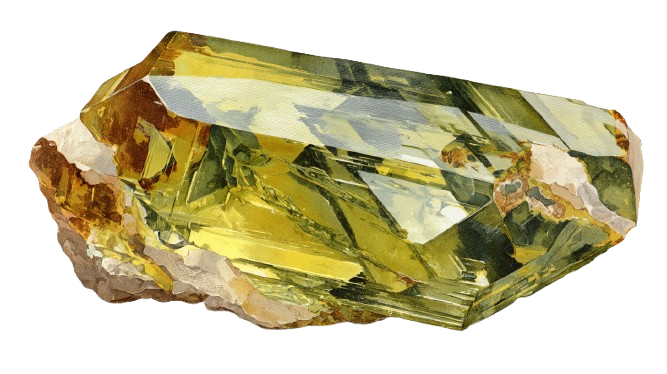
Alexandrite is one of the rarest and most remarkable gemstones, famous for its dramatic color change , green in daylight and red under incandescent light. This chrysoberyl variety was first discovered in Russia's Ural Mountains in 1830.
Named after Czar Alexander II, alexandrite quickly became the national stone of Imperial Russia because its red and green colors matched the Russian military colors. It was considered a stone of very good omen.
Today alexandrite is cherished in crystal traditions as a powerful transformation stone. Many people find its dual colors symbolic of balance between the physical and spiritual worlds.
Alexandrite Traditional Meanings & Uses
Emotional Adaptability
Traditionally believed to help adapt to change, embrace duality, and find balance between different aspects of life.
Rare Vitality
In crystal folklore, associated with renewal, regeneration, and a sense of youthful vitality.
Dual Awareness
Believed to enhance awareness of both seen and unseen worlds, supporting psychic development.
Heart & Crown
Traditionally said to bridge the heart and crown chakras, connecting love with higher consciousness.
Fortune Guardian
Traditionally believed to bring good fortune and protect against negative energies during transformation.
Balanced Love
Said to promote understanding of different perspectives in relationships and support adaptability.
These descriptions reflect traditional crystal lore and personal spiritual practices, not scientific claims.
Everything People Ask About Alexandrite
In crystal traditions, alexandrite is valued for transformation, adaptability, good fortune, and bridging the physical and spiritual worlds.
Alexandrite is traditionally associated with the Heart and Crown chakras.
Anyone going through major life changes or seeking to embrace transformation may enjoy alexandrite. Associated with Scorpio and Gemini.
Yes, alexandrite is safe in water with a hardness of 8.5.
Cleanse with moonlight, sage smoke, selenite, or running water.
Alexandrite changes color due to the way it absorbs light , it contains chromium which creates different colors under different light sources.
In spiritual traditions, alexandrite is used for embracing change, developing intuition, and balancing opposites.
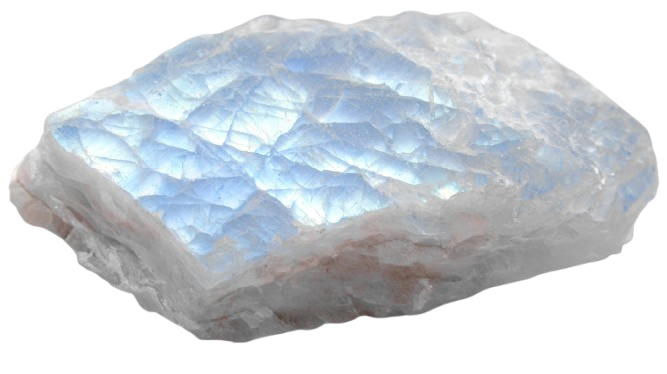
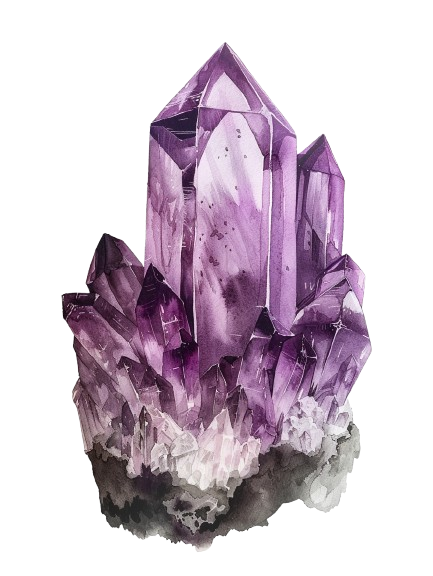
Alexandrite pairs with labradorite for transformation, moonstone for intuition, and amethyst for spiritual growth.
Natural alexandrite is extremely rare and valuable. Lab-created versions are more affordable and are said to carry similar energy in crystal traditions.
Many people use alexandrite for manifesting transformation and embracing new chapters in life.
Wear near your heart for transformation or place on your crown during meditation for spiritual connection.
Yes, alexandrite is one of the birthstones for June, alongside pearl and moonstone.
Alexandrite and Zodiac Signs
Want to find crystals matched to your exact zodiac sign? Try our free sigil tool →
How to Use Alexandrite
Wear it: Wear alexandrite as a ring or pendant to embrace transformation and attract good fortune throughout the day.
Meditate with it: Hold alexandrite during meditation, observing its color shifts as a metaphor for embracing change and duality in life.
Place it in your space: Place alexandrite in spaces where you make important decisions, or on your altar during periods of major life transitions.
Crystal grid: Use alexandrite as a center stone in transformation grids with labradorite and moonstone at supporting positions.