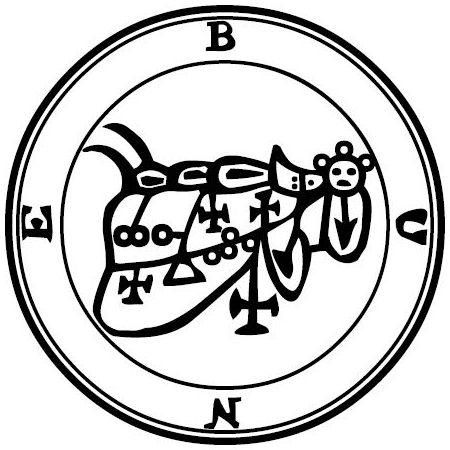
§ Introduction
Bune (also spelled Bimé or Buné) is traditionally listed as the 26th spirit, ranked as a Duke. In public-domain grimoire tradition, Bune is tied to wealth, eloquent speech, and a particular fascination with the dead—often framed as commanding or gathering spirits and shaping how the departed "appear" or communicate. Read historically, it's less a literal finance engine and more a symbol of prosperity linked to risk, secrecy, and mortality.
§ Grimoire Profile
Rank: Duke
Legions: 30
Attributed office: wealth and riches; eloquence; dealings with spirits of the dead
§ Appearance (Traditional Description)
Bune is often described as a multi-headed dragon-like figure (with additional animal features in some listings). Dragons in these catalogues usually signal power guarded by danger: treasure with teeth.
§ Powers and Attributions
- Associated with riches and material increase
- Improves speech and eloquence
- Linked to spirits of the dead in structured catalogue language
§ Practical Use (Historical / Educational)
Historically: Bune reflects an era where wealth was deeply entangled with mortality (inheritance, plague economies, war spoils) and where eloquence could change social rank.
Symbolically today: the psychology of money and risk, "wealth stories" people tell themselves, and persuasion as a lever in economic life.
§ Pop Culture Footprints
Bune/Buné appears frequently in demon lists and fantasy settings as a "wealth duke" archetype.
§ Short Sources
- Johann Weyer — Pseudomonarchia Daemonum (1577)
- Reginald Scot — The Discoverie of Witchcraft (1584)
- Jacques Collin de Plancy — Dictionnaire Infernal (1863 illustrated edition)